On the picturesque bank of the Yauza River in Moscow's historical Tagansky district, there's an island of silence - the Spaso-Andronikov Monastery. It's domestic to a different museum with a vast collection of icons and different Russian treasures.
1. find out about Russia's top-quality icon painter -Andrei Rublevfor many centuries icon portray was Russia's leading paintings form. youngsters, now not everybody had permission to color icons: it took decades of training and required strict adherence to church canon. Andrei Rublev, who become born in the 1360s and died round 1430, is probably the most well-liked Russian icon painter, and his Trinity is likely one of the most noted and revered icons in Russia. It's also one of the most treasures of the Tretyakov Gallery.

Icon of Andrei Rublev retaining his own icon of Trinity in his hands
Public domainWith the assist of medieval chronicles, historians had been capable of song down other colossal works with the aid of Rublev. These protected icons and frescoes that embellished the holiest websites of medieval Russia: the Annunciation Cathedral in the Moscow Kremlin, the idea Cathedral in Vladimir, and the main cathedral of the Trinity Lavra of St. Sergius. while many different icons and frescoes had been attributed to Rublev, scholars nonetheless are not certain about their authorship. Some might instead be works made by using his college students and apprentices.
scholars had been in a position to set up, however, that Rublev's last work consisted of the frescoes in the Cathedral of the Savior in the Spaso-Andronikov Monastery. Fragments of these wonderful frescoes have survived to this present day.
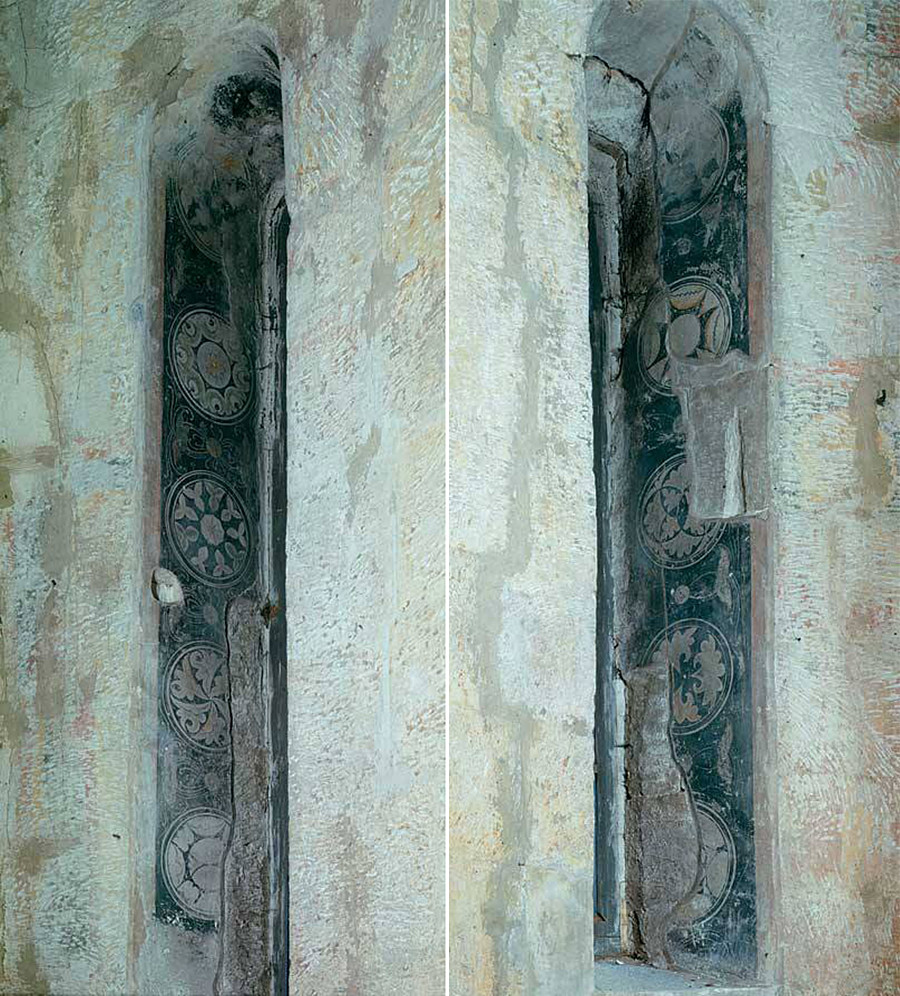
Andrei Rublev murals in the Cathedral of the Savior within the Spaso-Andronikov Monastery
Andrei Rublev museumThis monastery is where he took monastic vows and at last died and was buried. while the actual area of his grave remains unknown, it's believed to be hidden under the floors of the Cathedral of the Savior.
Rublev's name is so massive for Russia that to mark the 600th anniversary of his delivery in the Nineteen Sixties even the militant atheist Soviet authorities determined to repair the monastery. A monument to Rublev turned into erected here and a museum committed to his art opened in his honor.
2. talk over with a 14th century monastery in the core of Moscow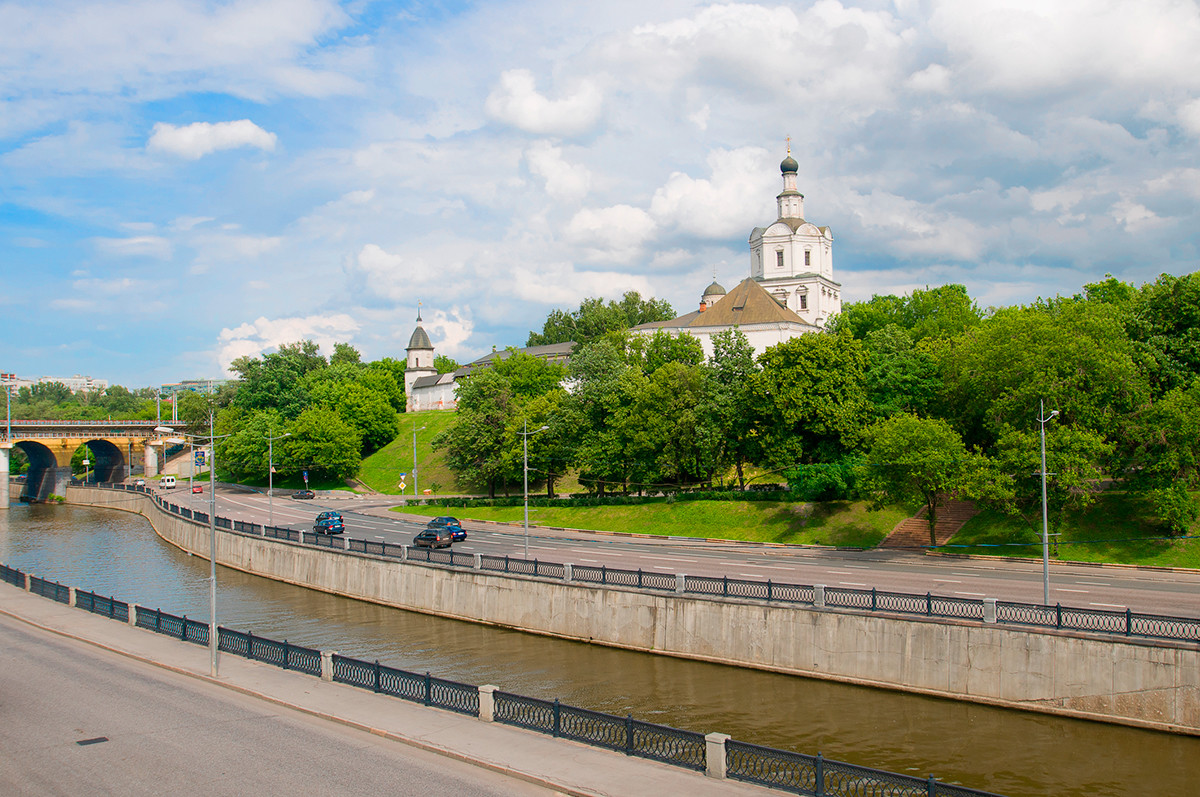
Spaso-Andronikov monastery
Legion Mediafounded in 1357 the Spaso-Andronikov Monastery (the Monastery of Our Saviour and St. Andronicus) is likely one of the oldest in Moscow, and turned into named after its first hegumen, Andronicus, who was a disciple of Sergius of Radonezh, the founding father of the Trinity Lavra of St. Sergius and a revered Russian saint. The monastery's Cathedral of the Savior, whose indoors become painted by way of Rublev, is the oldest surviving stone church in Moscow.
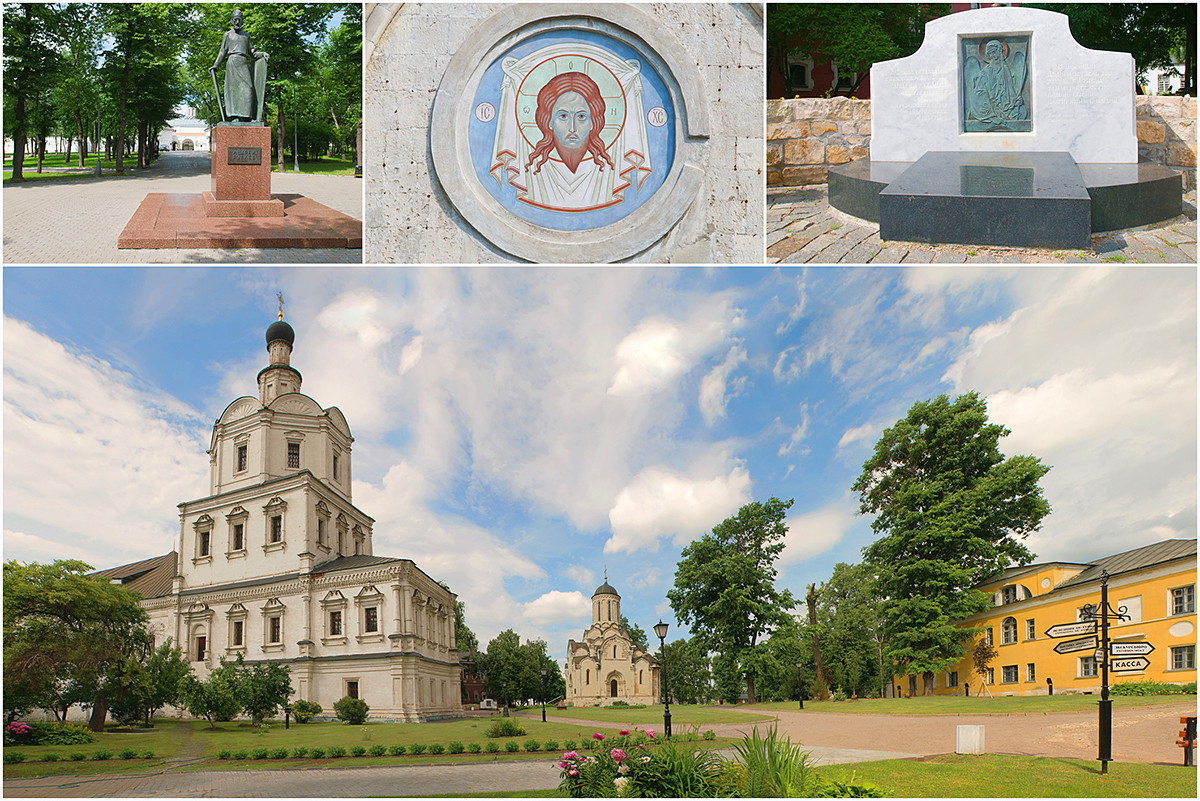
Spaso-Andronikov Monastery
Getty photographsIn 1947, a group of Soviet scholars and conservation experts secured permission to birth restoration work at the monastery. at the time, the monastery became used to residence people of the neighborhood Sickle and Hammer manufacturing facility.
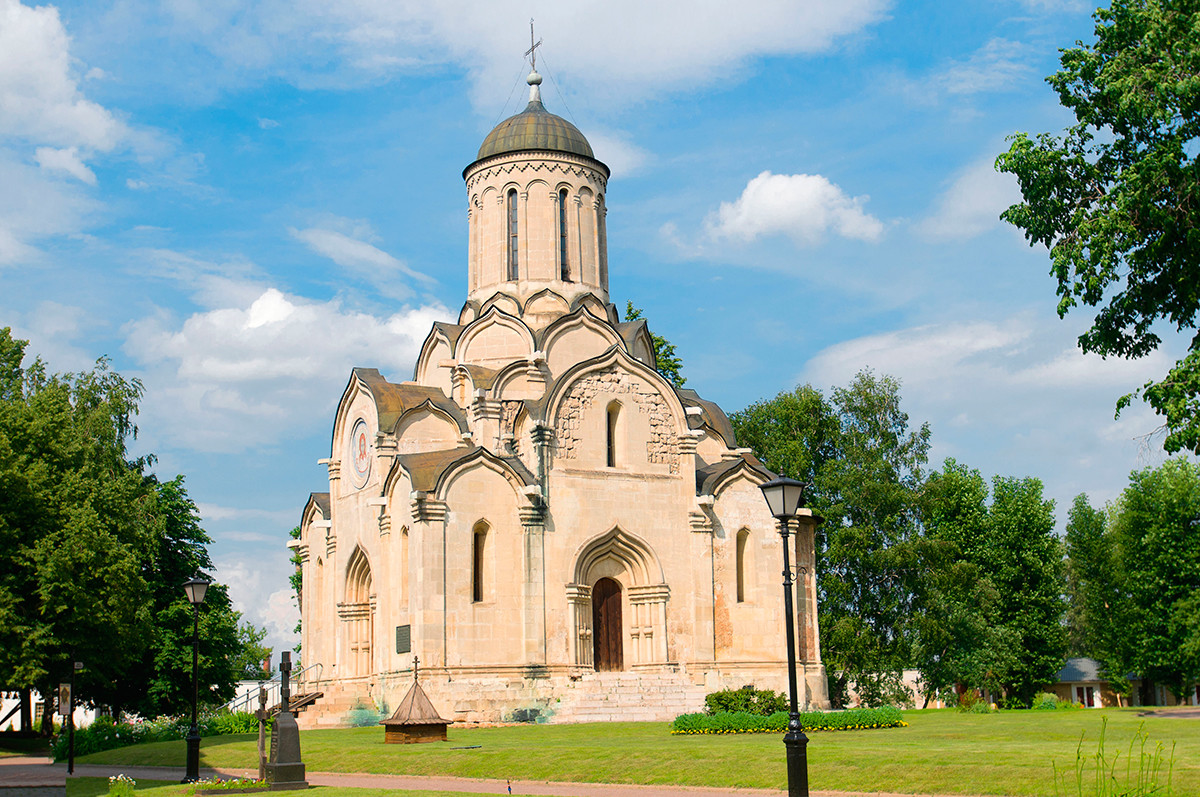
The Cathedral of the Savior within the Spaso-Andronikov monastery
Legion MediaOver the path of 13 years, consultants managed to in part restoration the monastery and put together a set of objects of medieval Russian artwork. In 1960, to mark the 600th anniversary of Andrei Rublev's start (although the actual date of his start is unknown), a museum of historic Russian culture and art changed into opened onf the monastery grounds.
3. See one of the most most reliable collections of Russian non secular paintingslittle by little the museum founders gathered icons and other items from churches that were abandoned and closed throughout the Soviet era. today, the museum has more than 20,000 objects in its collection: in the main icons, with the oldest relationship to the twelfth century and appropriate up to icons of the twentieth century. among the many most massive are a 13th century icon of Christ Pantocrator and a 14th century icon of Christ of Edessa.
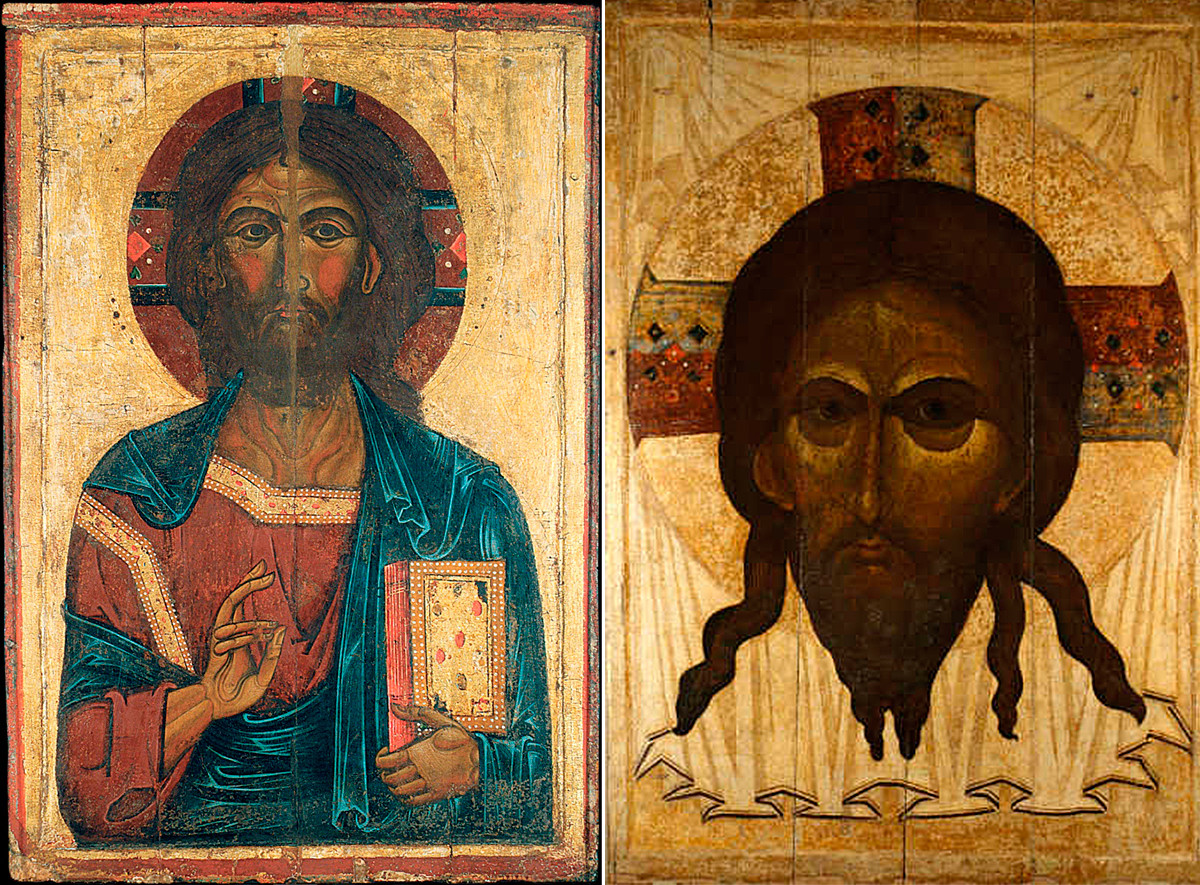
On the left: a 13th century icon of Christ Pantocrator; on the correct: a 14th century icon of Christ of Edessa
Andrei Rublev museum; Museum of the background of religionin addition, the assortment features various photographs of the Virgin Hodegetria, Nicholas the Wonderworker and different saints, as well as ordinary icons depicting the lives of saints or scenes from the new testament.
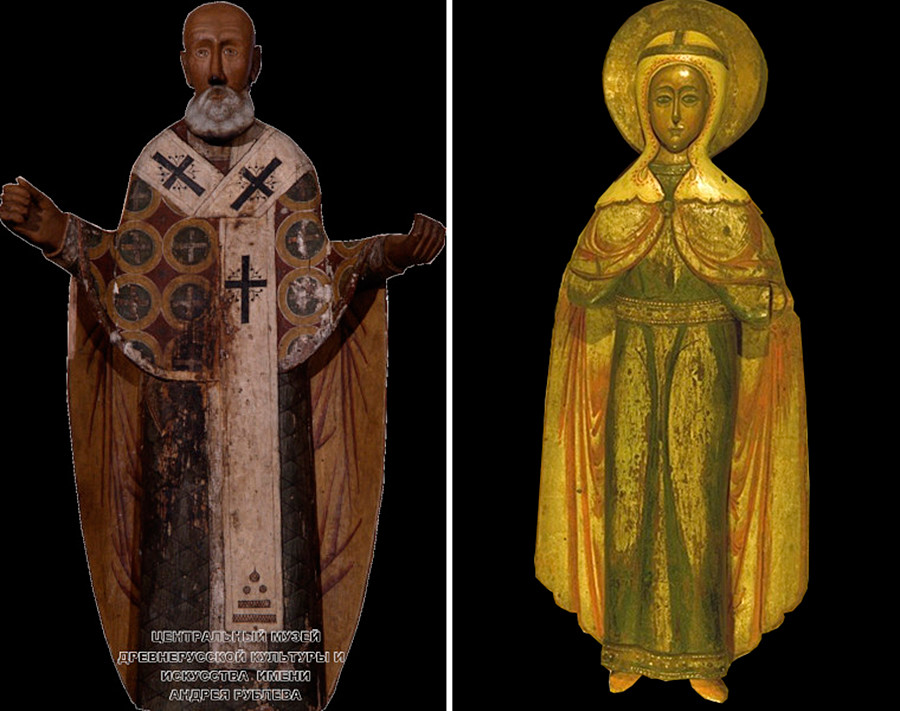
On the left: a 17th-century picket statue of St Nicholas of Mozhaysk; on the correct: a 17th century statue of the outstanding Martyr Paraskeva
Andrei Rublev museumin addition to icons, the museum residences medieval books, tiles and different monuments of Russian decorative and utilized arts, in addition to a huge assortment of infrequent wooden sculptures.
a complete flooring of the museum is taken up with the aid of giant frescoes rescued from churches from throughout Russia that were destroyed via the Soviet state.
4. study to decipher Russian icons"The museum's leading mission is to support individuals discover the icon as probably the most top of the line achievements of country wide and world paintings," says a message on the museum's web site. Its goal isn't most effective to exhibit icons and frescoes to the commonplace public, however also to promote this art form because, together with the Russian avant-garde, icon painting has made an important contribution to the history of world artwork. in addition, this ancient non secular artwork flourished in Russia for a really long term - starting from the Baptism of Rus within the 10th century and as much as the conclusion of the 17th century when the throne passed to Peter the super, who turned Russia in opposition t European artwork.
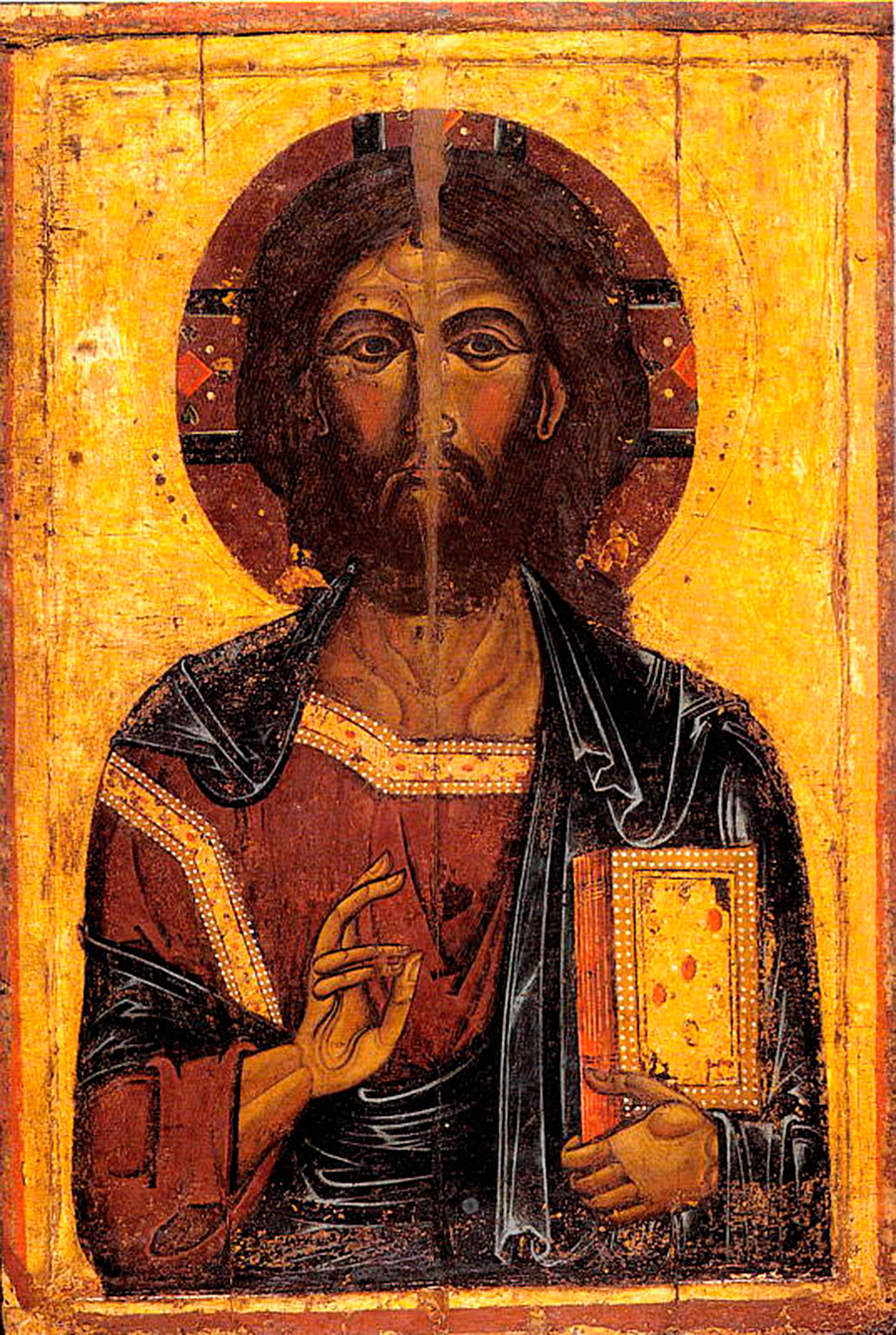
The oldest merchandise of the museum: a thirteenth century icon of Christ Pantocrator from Gavshinka (a village close the city of Yaroslavl)
Andrei Rublev museumThe creative language of icons is awfully structured and tremendously symbolic, making it viable via creative and semantic options to establish the approximate time when an icon was created, as well as the school it belonged to - Moscow, Novgorod, Vladimir or Pskov. certain features may indicate a particular painter or his pupils. in the museum you could hint the evolution of Russian icons, their imagery and composition, options and paints.
click on right here to find out more about the way to examine and appreciate Russian icons.
5. discover an historic a part of Moscow it truly is off the beaten tourist song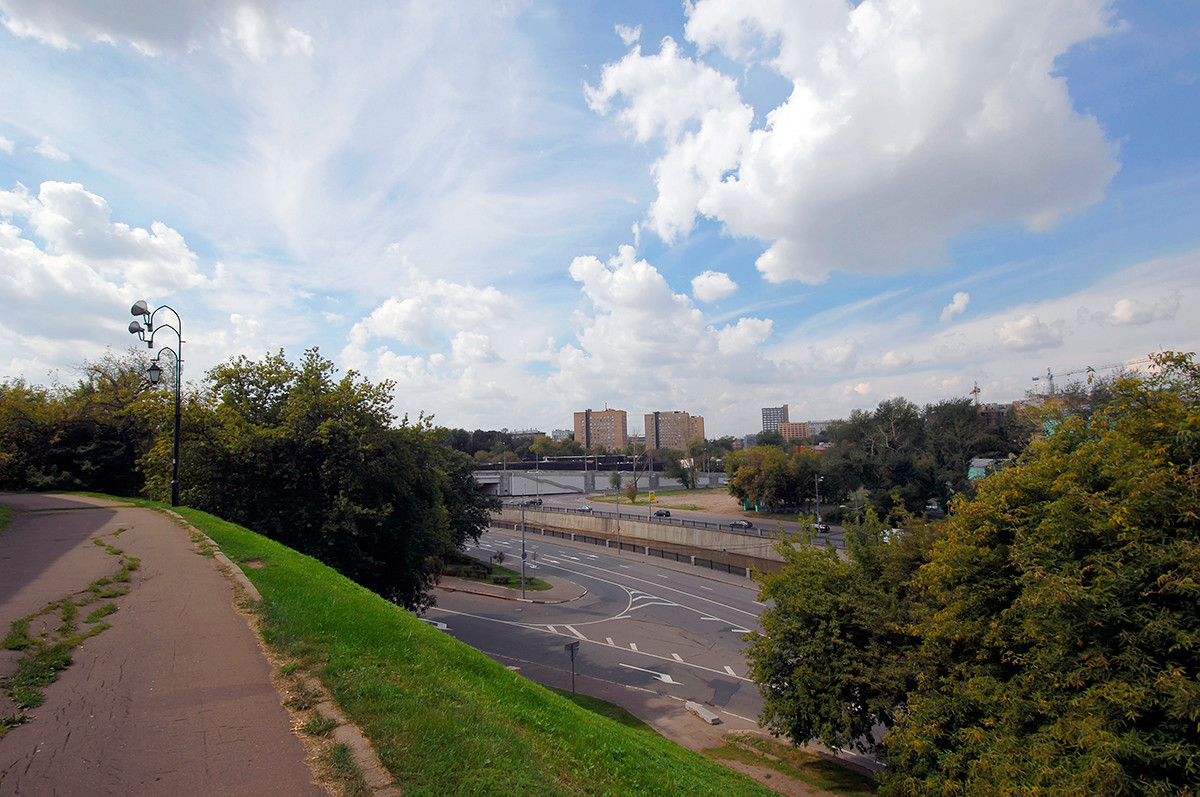
View on the Yauza River from hill Of Spaso-Andronikov Monastery
Legion MediaThe old and cultural value of the museum and the monastery is undeniable, but it is additionally value taking a walk across the wall, going to the excessive bank of the Yauza to admire a totally diverse world - the commercial a part of the city.
The area near the monastery is one among Moscow's oldest, and there are numerous ancient sights to look. not some distance is the staggering Church of Sergius of Radonezh in Rogozhskaya Sloboda.
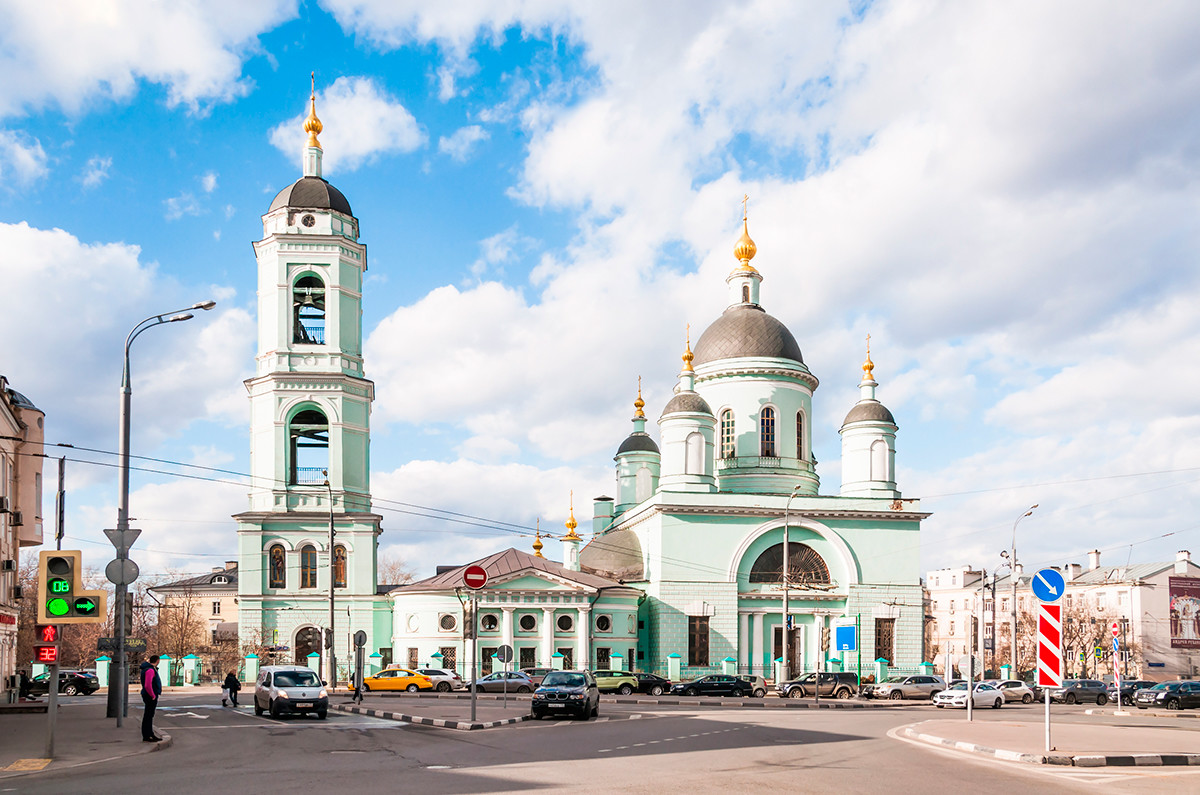
Church of St. Sergius of Radonezh Trinity existence-giving in Rogozhskaya Sloboda
Legion Mediayet another need to is a stroll along the pedestrian Shkolnaya street, with its two-story nineteenth century mansions. This was the metropolis's japanese boundary and coaches heading from Moscow in the path of Vladimir stopped right here.
once you've considered the entire historic and cultural points of interest, try the old Rogozhsky looking arcade - it has now not lost its original intention and has been converted into a modern food courtroom with excellent pilaf, pho bo, awesome pastries and extra.
If using any of Russia past's content, partly or in full, always deliver an lively hyperlink to the usual material.


No comments:
Post a Comment